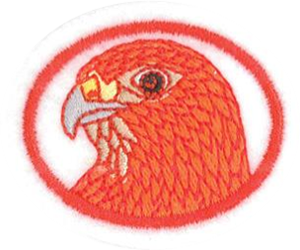
List the scientific names of the orders & families collectively referred to as "raptors" or "birds of prey."
Identify distinct characteristics of raptors.
an example of a raptor that illustrates each of the families represented under these two major groups (7 families).
From a diagram, identify or label the following parts of the raptor:
Eyes
Feet &Talons
Chest
Body
Beak
Ears
Wings
Feathers
Discover the following information about raptors. Use this information to compare and contrast raptors with another family of birds, such as ducks and geese (anatidae) or parrots (psittaciform).
Smallest diurnal and nocturnal raptor
Largest diurnal and nocturnal raptor
Kinds of nests raptors build
Average life span for large and small raptors
Most common food of raptors
How raptors eat their food?
Do one of the following:
Watch a live raptor demonstration
Read a book on raptors
Watch a film documentary on raptors
Do two of the following:
Create a puppet show about raptors.
Dissect an owl pellet, preferably online, and write down what you find.
Make a chart of raptor wing spans and shapes of wings.
Make a file of at least 10 raptor craft ideas and complete five (5) of the crafts.
Make a notebook, art display, media presentation or collage with pictures and information about raptors
Create a board game about raptors
Photograph at least five (5) live raptors in the wild or captivity. Label your photographs.
Experience raptors in one of the following ways
Visit a zoo or aviary. Have a docent tell you about the raptors they care for.
Have a specialist visit the group and share what he/she does with raptors
Observe raptors in the wild nesting or migrating. If possible, work with an area nature center, park, or wildlife management areas.
Find two Bible passages about raptors and summarize a moral lesson from each one.